If you’ve been thinking about braces or Invisalign for yourself or your child, October is a smart time to look at your year-end orthodontic insurance benefits. Many insurance plans and flexible spending accounts run on a calendar year, which means unused money can reset or expire when the new year starts.

Families in Lombard, Orland Park and the surrounding suburbs often ask us whether it’s worth acting before December. The honest answer is that it depends on your plan. This guide walks through what to check so you can decide with confidence, not pressure.
How Year-End Orthodontic Insurance Benefits Usually Work
Your orthodontic insurance benefits are often separate from your regular dental benefits. Instead of covering cleanings and fillings, they typically help pay a share of treatment, up to a set maximum. The details vary a lot from plan to plan, so here are the questions worth asking:
- Is the maximum yearly or lifetime? Many plans have one lifetime orthodontic maximum per person rather than an amount that renews every January. Others work differently.
- Is there a waiting period? Some plans require you to be enrolled for a certain length of time before orthodontic benefits begin.
- Are there age limits? Some plans cover only children and teens. Adult coverage varies.
- When does your plan year end? Not every plan follows the calendar year. Some employers run on a different schedule.
Because every plan is different, the most reliable answer is in your plan documents or a call to your insurance company. At a consultation, our team can also help you make sense of what you find.
FSA and HSA Funds: What to Know Before the Year Ends
A flexible spending account (FSA) lets you set aside pre-tax dollars for medical expenses. Many FSAs have a deadline, and money left over may be forfeited. Some employers allow a short grace period or a limited carryover, so check your own plan’s rules.
A health savings account (HSA) is different. HSA funds generally stay with you from year to year, so there’s usually less of a rush.
Orthodontic treatment is generally an eligible expense for both types of accounts, but your plan administrator has the final word. If you’d like a deeper look at the money side, see our guide to orthodontic financing, insurance, FSA and HSA.
Should You Start Treatment Just to Use Your Orthodontic Insurance Benefits?
Not necessarily. Benefits are a helpful bonus, but they shouldn’t decide when treatment starts. The right timing depends on your teeth, your jaw and, for kids, how they’re growing.
Some children are ready for treatment now. Others are better off waiting and being monitored. Adults can often start at almost any time once an exam shows their teeth and gums are healthy. Only an orthodontic exam can tell you which group you’re in, and outcomes vary from person to person.
It also helps to know that treatment isn’t a short commitment. Depending on the case, it can run from several months to a couple of years or more. You can read about how long orthodontic treatment typically takes to get a realistic picture.
A Simple Plan to Make the Most of Your Orthodontic Insurance Benefits
You don’t need to figure everything out at once. Here’s an easy order of steps:
- Find your orthodontic benefit. Look for the maximum, any waiting period and any age limits.
- Note your deadlines. Write down your plan year end and any FSA deadline.
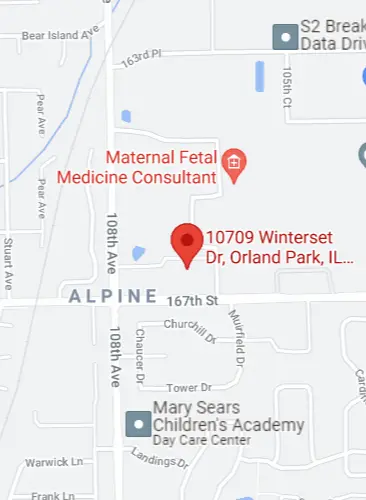
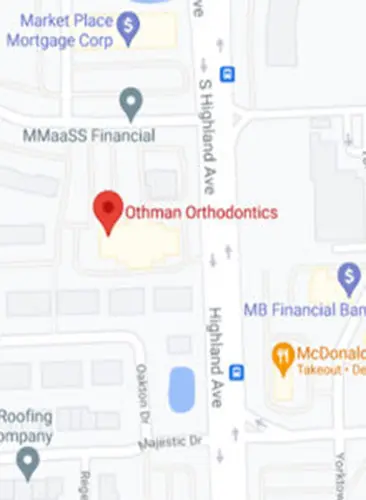
- Book a free consultation. Not sure what happens there? Here’s what to expect at your first orthodontic consultation. You can visit our Lombard location or choose our Orland Park office, whichever is easier for your family.
- Ask for a written estimate. Then confirm the coverage details with your insurance company.
It can help to ask early, since schedules can get busy around the holidays. Costs and timelines are always confirmed at your consultation, because they depend on your individual treatment plan.
Frequently Asked Questions
Do orthodontic insurance benefits reset on January 1?
It depends on your plan. Some benefits renew with the plan year, but many orthodontic benefits are a lifetime maximum that doesn’t reset. Your plan documents or insurance company can confirm which type you have.
Can I use FSA or HSA money for braces or Invisalign?
Orthodontic treatment is generally an eligible expense for both, but rules differ by plan. Check with your plan administrator, and ask our team if you’d like help understanding how it fits into your payment plan.
Does a free consultation mean I have to start treatment?
No. A consultation is a chance to have an exam, ask questions and learn your options. Whether and when to start is always your decision.
Ready to talk it through? Call us at 855-865-5413 or schedule a free consultation at Othman Orthodontics and get help putting your orthodontic insurance benefits to good use. Dr. Hasan Othman and our team are happy to help families in Lombard, Orland Park and nearby communities plan their next step.