Children's Orthodontist in Orland Park, IL
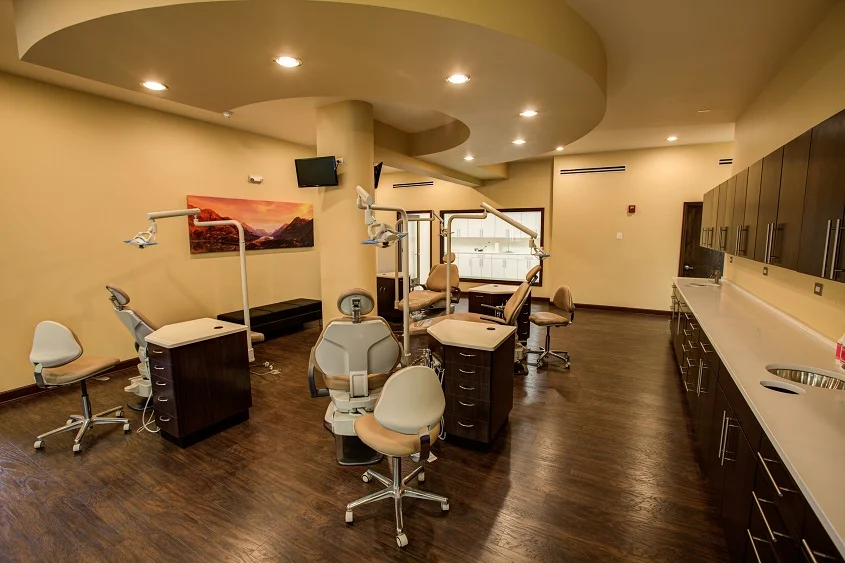
Why see a children's orthodontist in Orland Park by age 7?
By age 7, most children have a mix of baby and adult teeth, and the jaw is still growing. That makes it the right time to check how the teeth are coming in and how the upper and lower jaws fit together. The American Association of Orthodontists recommends a first visit by this age.


Signs your child may need a children's orthodontist in Orland Park
- Crowded or overlapping teeth
- Baby teeth lost very early or very late
- Upper teeth that sit far in front of, or behind, the lower teeth
- A crossbite, where upper teeth close inside the lower teeth
- Mouth breathing or snoring
- Thumb sucking that continues past age 5
- Trouble chewing or biting
Early treatment from a children's orthodontist in Orland Park
- Phase I treatment: short, targeted treatment between about ages 7 and 10 to correct problems early. Interceptive treatment
- Palatal expanders: widen a narrow upper jaw to make room for adult teeth and fix crossbites. Types of appliances
- Invisalign First: clear aligners designed for children with a mix of baby and adult teeth. Invisalign First
- Monitoring: if your child doesn’t need treatment yet, we’ll check their growth at regular visits at no charge.


When your child is a teen
Most full treatment starts between ages 11 and 14, once adult teeth are in. Teens can choose braces, including colored bands, or Invisalign Teen.
Your child's first visit with a children's orthodontist in Orland Park
A first visit is relaxed and quick, and nothing hurts. Here is what to expect:
- A short conversation. We ask about your child’s health, habits like thumb sucking, and any concerns you have noticed.
- An exam. Dr. Othman looks at how the teeth are coming in, how the jaws line up and how your child bites.
- Digital images. If needed, we take digital X-rays and a 3D scan. There are no messy impressions.
- A clear answer. You leave knowing whether your child needs treatment now, later, or not at all, and why.

Habits that can affect growing teeth
- Thumb or finger sucking past age 5 can push front teeth forward and narrow the upper jaw.
- Mouth breathing can affect how the face and jaws grow. It can also be linked to snoring or poor sleep, so it is worth mentioning to your pediatrician.
- Tongue thrusting when swallowing can keep front teeth from meeting.
- Long-term pacifier use can cause an open bite or crossbite.
Catching these habits early often means simpler treatment, or none at all.
Children's orthodontist in Orland Park: Phase I and Phase II treatment explained
Phase I is early, focused treatment while your child still has many baby teeth, usually between ages 7 and 10. It typically lasts about a year and corrects problems like crossbites, severe crowding or front teeth that stick out and are at risk of injury.
After Phase I, there is a resting period while the remaining adult teeth come in. Dr. Othman keeps an eye on growth during this time.
Phase II usually happens in the early teen years, with braces or Invisalign Teen to place every adult tooth in its final position. Because Phase I already made room and guided growth, Phase II is often shorter and simpler.
Palatal expanders: what parents should know
An expander gently widens the upper jaw while the bones are still growing. It fits on the upper back teeth, and parents turn it with a small key at home for a few weeks as directed. Your child may feel pressure for a few minutes after each turn. A gap often appears between the front teeth during expansion. This is normal and a sign the expander is working, and it closes later. The expander usually stays in place for several months to let the new width settle.
How parents can help
- Help younger children brush around brackets or appliances every night.
- Keep a small kit in their backpack with a travel toothbrush, orthodontic wax and a case for aligners or retainers.
- Remind them to avoid hard and sticky foods, and to wear a mouthguard for sports.
- Keep regular cleanings with your family dentist every six months.
Children's orthodontist in Orland Park: parents’ FAQ
Will my child need two rounds of treatment?
Some children benefit from Phase I now and braces later. Many need only one round. Dr. Othman will tell you which applies to your child.
Do you see kids after school?
Yes. We’re open until 6 pm on Mondays, Wednesdays and Thursdays.
Does insurance cover orthodontics for children?
Many dental plans include orthodontic benefits for children. We’ll check your coverage before your visit.
Is age 7 too early for braces?
Most 7-year-olds do not need braces. The goal of an early visit is to check growth and spot problems. If treatment is needed, it is usually short and targeted.
Does an expander hurt?
Most children feel pressure for a few minutes after each turn, not pain. Soft foods for the first few days help them adjust.
Will my child miss a lot of school?
Most visits are short, and many families book after-school appointments.
My dentist said to wait. Should we still come in?
A free checkup with a children's orthodontist in Orland Park does no harm and gives you a specialist’s view. If waiting is best, we will tell you and simply monitor growth.
Book your child’s free first visit
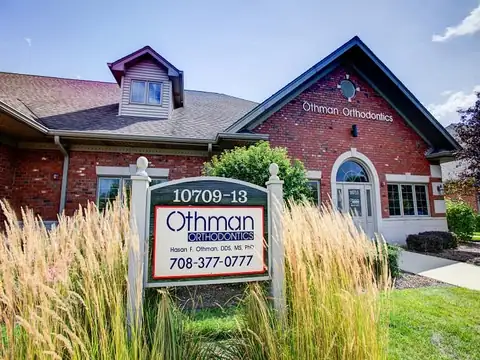
Visit our Orland Park office
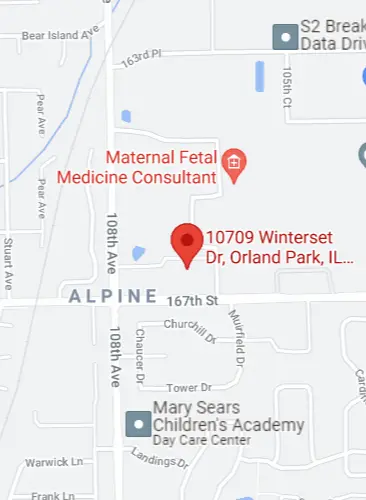
10709 Winterset Dr, Orland Park, IL 60467 · (708) 377-0777 · Hours and directions
Also serving Tinley Park, Palos Heights, Homer Glen, Orland Hills and Mokena.